
Advocacy
the act or process of supporting a cause or proposal.
Our advocacy work focuses on removing barriers and increasing accessibility of building with natural, bio-based, earthen materials.
Our work includes advocating for inclusion of these practices in the building codes, and conducting testing needed for their acceptance in the codes.
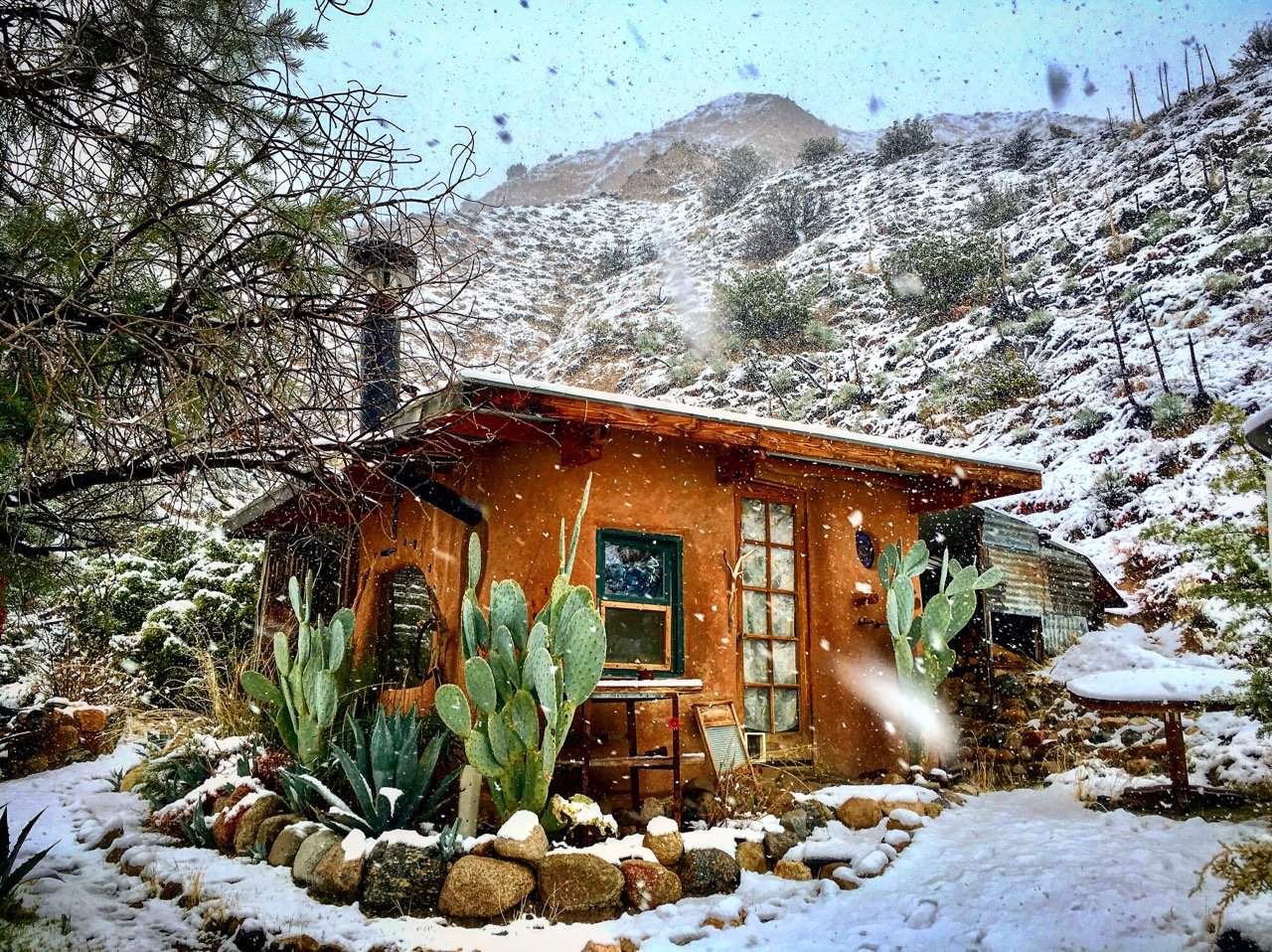
Welcome to our Tiny Cob Design Project
There has been a recent surge of interested in cob and natural building techniques. It is increasingly important to share information, resources, and plans that encourage safe building practices in our high seismic zones and fire prone area.
This design project aims to create clear, easy to follow, open source plans for a 120 sq foot cob structure, as an additional way to help people understand the safest ways to build with earthen materials.

How do we make change?
Our main focus over the past two decades has been on various forms of earthen building, specifically cob. After years of teaching these techniques we continued to observe the hurdles in place that make it very difficult for people to actually build shelter for oneself and family with these systems. Although we have centuries of anecdotal evidence and experience with these methods, we have very little modern scientific data. Seeing that this lack of data is one of the major hurdles to these systems being more accessible, we have shifted some of our focus to be on testing and advocacy work to help remove some of those barriers. In collaboration with Quail Springs and the Cob Research Institute, we have been involved with seismic testing, fire testing, compression testing and thermal testing.
Fire Testing
We know that earth does not burn. It has been used for centuries to build ovens and fireplaces, yet particular situations require a technical ASTM E119 fire rating for the material to be used.
In May of 2021, we traveled to Texas to build a cob wall inside of a fire testing facility. The wall needed to dry for six months before it was tested. The process of the test is to blast the wall with high heat on one side, then rotate the wall with a crane, and blast it with a fire hose. In an actual wildfire situation, the wall would not actually be on fire to warrant a fire hose blasting it for several minutes. This is another example of how the modern testing does not always fit, work, or make sense with these materials. This test was performed in December of 2021, and both the cob walls passed.
The second stage of the process was to get the ASTM E119 fire rating adopted into the cob code. This was successful and was adopted into the code in the fall of 2022.
